Ărramăt project based ITK Hub
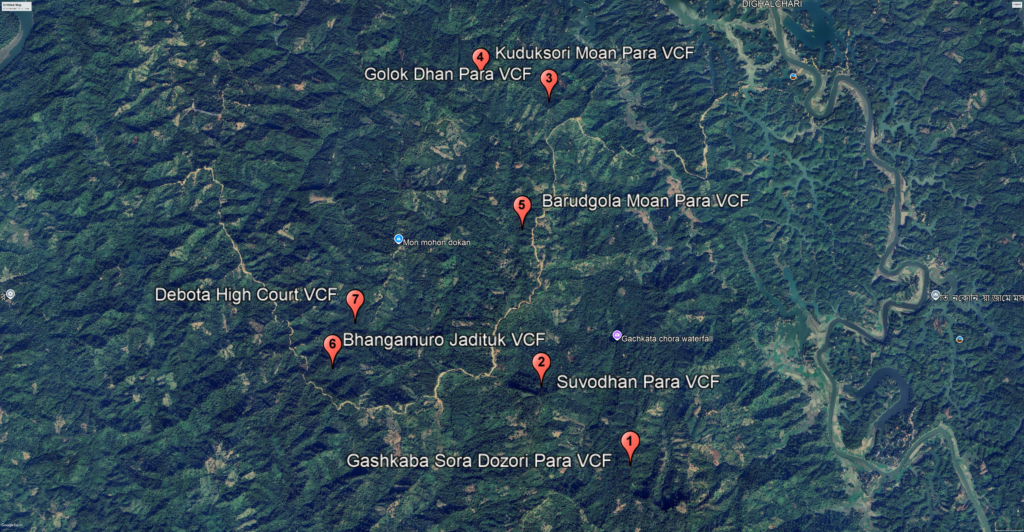
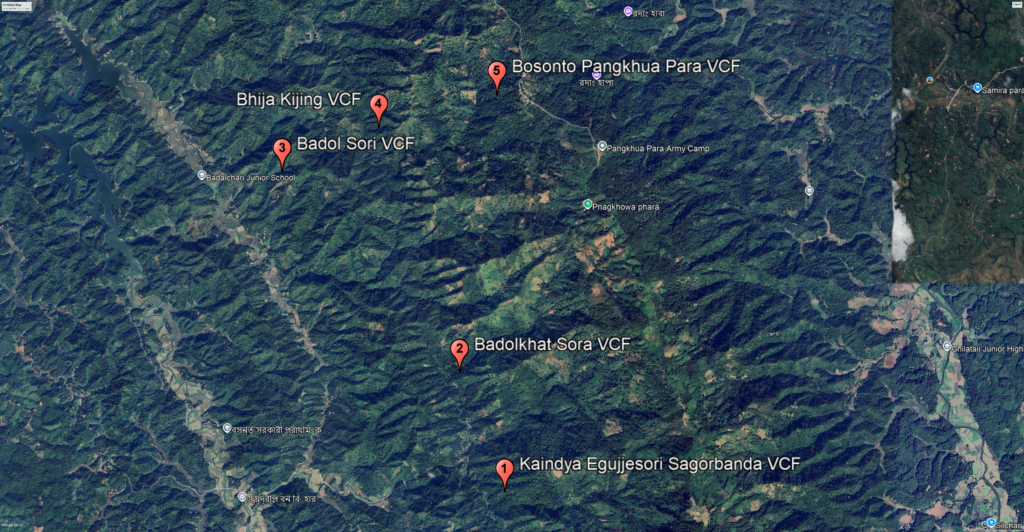
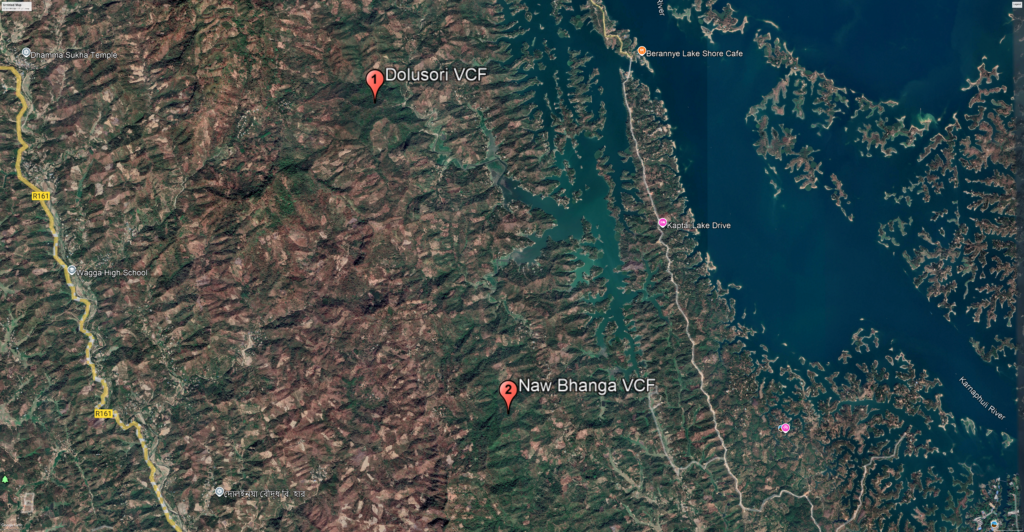
Across 14 Village Common Forests in three upazilas of the Chittagong Hill Tracts, Indigenous Peoples preserve forests through a rich tapestry of spiritual beliefs, cultural traditions, customs, and customary laws. These forests are grouped into three clusters, each reflecting unique ecological and cultural landscapes.
Cluster 1, spanning Kaptai and Bilaichari upazilas, includes seven forests across Varjyatali, Barudgola, and Kutubdiya mauzas, based on the Huring Sora and Gaskabasora watersheds. Here, Chakma, Marma, Tanchangya, and Pangkhuas communities maintain numerous spiritual sites and cultural practices that directly contribute to forest and biodiversity conservation through Indigenous systems of stewardship.
Cluster 2, located in Rangamati Sadar upazila, encompasses five forests across Bosonto and Kaindya mauzas, linked to the Kaindya watershed. The Chakma, Tanchangya, and Pangkhuas communities safeguard spiritual sites, sacred caves, and diverse habitats, embedding conservation within their customs and oral traditions.
Cluster 3, also in Rangamati Sadar upazila, consists of two forests in Boradam mauza, sustained by the Naw-Bhanga and Kugujyasori watersheds. The Chakma and Tanchangya communities here uphold spiritual practices, cultural norms, and customary laws that regulate forest use and ensure ecological balance. Together, these clusters illustrate how Indigenous knowledge—rooted in spirituality, culture, and governance—forms a holistic conservation system that sustains biodiversity, protects watersheds, and strengthens community resilience.