
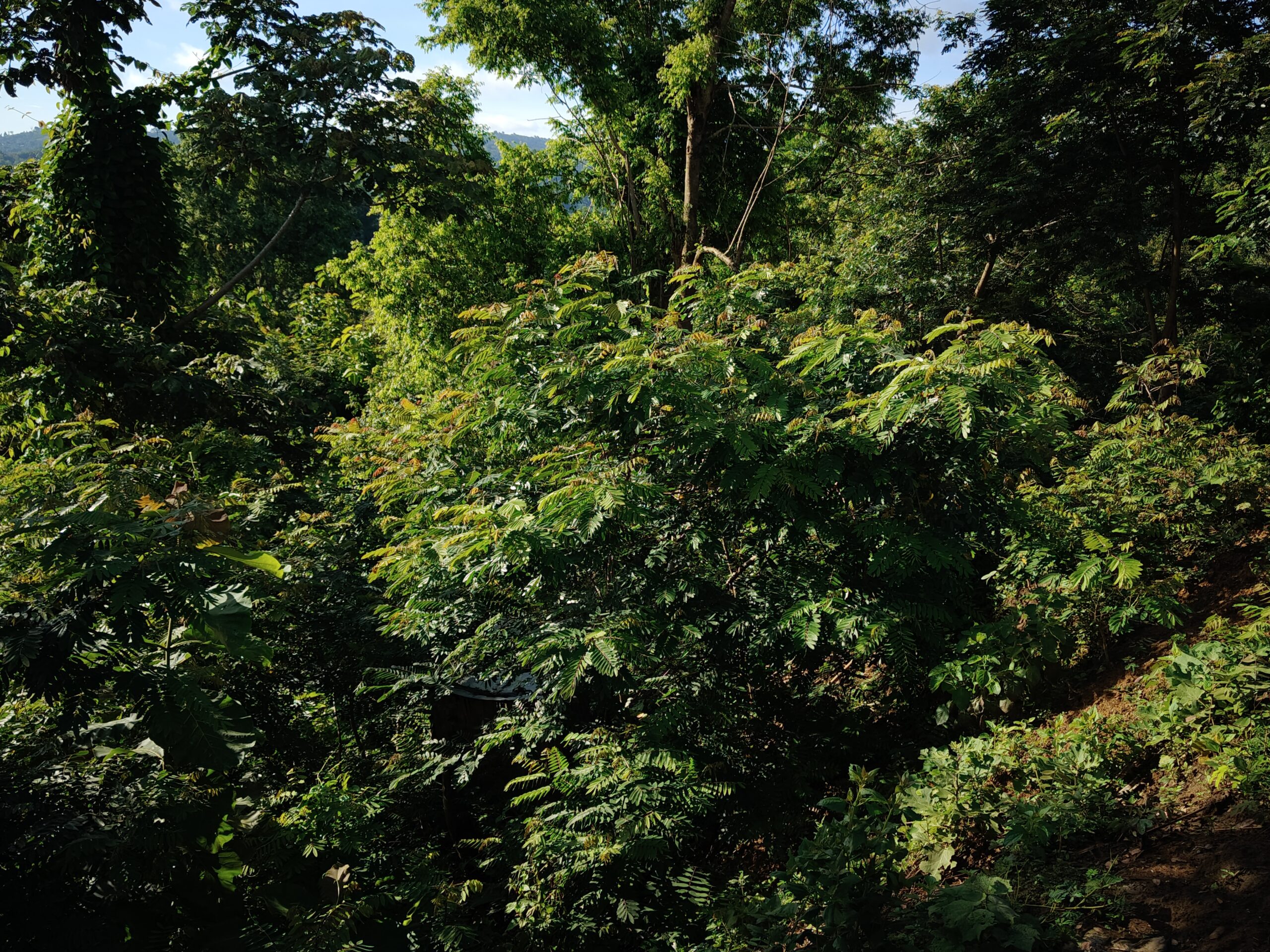
Environment
Environment is one of the core theme of Taungya
Environmental conservation is one of the core pillars of Taungya’s mission in the Chittagong Hill Tracts (CHT). For decades, Taungya has worked to protect biodiversity, safeguard watersheds, and promote sustainable natural resource management through community-led initiatives.
At the center of this approach are the Village Common Forests (VCFs), where Indigenous knowledge, customary laws, and cultural practices guide conservation systems. Taungya integrates traditional ecological wisdom with modern tools such as GPS mapping, training, and advocacy to strengthen resilience against deforestation, pollution, and climate change. By engaging communities, youth, and local institutions, Taungya ensures that environmental protection is not only about preserving nature but also about sustaining livelihoods, cultural integrity, and long-term development in the CHT.
Major Projects & Achievements
- Livelihood Security & Watershed Management Project (2016–2017) Focused on Dhupsil–Latapahar area, this project combined livelihood improvement (homestead gardening, livestock, mixed fruit orchards) with watershed protection (deep tube wells, gravity flow systems, infiltration galleries). It strengthened Para Development Committees (PDCs) and promoted inclusive participation of women and marginalized groups in conservation.
- CHTRDP-II Completion Project (2019) Under the Asian Development Bank framework, Taungya contributed to rural infrastructure, water systems, and VCF strengthening. Over 300 PDCs were trained, ensuring sustainable community governance and improved access to safe water, markets, and services.
- IPAF 5th Cycle Project (2019–2021) “Develop Role Model of Hill Water Resource and Natural Forests Conservation of Ethnic Communities through Youth Engagement” Implemented in Rangamati Sadar and Bilaichari, this project emphasized youth leadership in conservation, eco-tourism development, and documentation of best practices. It created role models for community-led watershed and forest management, integrating gender awareness and traditional governance.
- Develop Role Model of Hill Water Resource and Natural Forests Conservation of Ethnic Communities through Youth Engagement Strengthened three VCFs through water resource management plans, eco-resort development plans, and tourist guide guidelines. Trained 67 youth volunteers (40% female) in conservation, eco-tourism, and leadership. Published studies and awareness materials on indigenous conservation practices, ensuring knowledge transfer and advocacy.
- CFLI Project (2023–2024) “Empowering Young Leaders for Sustainable Management of Traditional Village Common Forests and Ecology” Implemented across 22 VCFs in Bilaichari and Kaptai, this project updated bi-laws, developed conservation action plans, mapped 13 watersheds, and trained 330 youth volunteers. It increased women’s representation in VCF Executive Committees (from 49 to 107), promoted eco-tourism, and documented cultural practices to strengthen social cohesion.
Impact
- Conserved over 1,600 acres of natural forest across Rangamati.
- Protected 13 micro-watersheds, ensuring water security for households and ecosystems.
- Increased women’s participation in conservation leadership, embedding gender equity in environmental governance.
- Empowered hundreds of youth volunteers to become conservation leaders, integrating them into VCF committees.
- Promoted eco-tourism and cultural practices as sustainable models for conservation financing and social cohesion.
Philosophy
Taungya’s environmental work reflects a holistic philosophy:
- Conservation is inseparable from livelihood security.
- Indigenous knowledge is combined with modern tools for sustainable management.
- Youth and women are empowered as future custodians of biodiversity.
- Cultural traditions are preserved as part of ecological stewardship.