
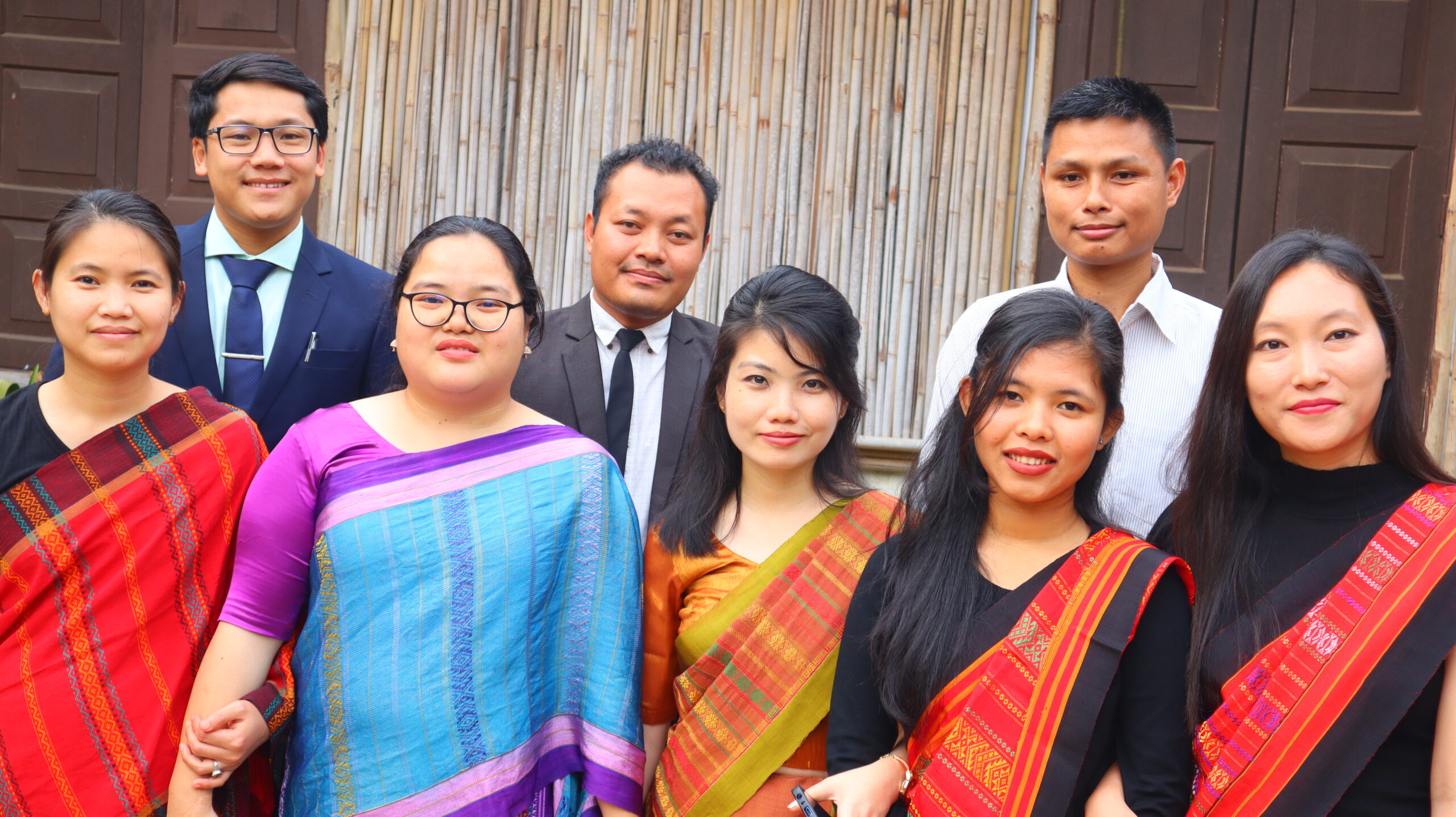
Learning, Engagement, Action and Development-LEAD Program of Taungya (From Learning to Leading: Volunteerism in Action)
LEAD Program of Taungya
From Learning to Leading: Volunteerism in Action
Since time immemorial, Indigenous communities in the Chittagong Hill Tracts (CHT) have practiced Maleya, Laksha Bala etc. – volunteer work deeply rooted in their culture and customs to support social initiatives within their own and neighboring areas. Taungya has embraced this tradition, transforming it into a structured program that nurtures young human resources for the development sector.
Taungya has consistently invested in youth leadership, even with minimal external funding, believing that effective human resource development is vital for sustainable progress in the CHT. Building on this legacy, Taungya started its “Volunteerism Development Program” since 2000 and upscale and reshaped the Learning, Engagement, Action and Development (LEAD) Program from 2025 visioning its prime initiative to transform volunteerism into structured leadership for social change. Rooted in more than two decades of experience, the program builds confidence among fresh graduates through mobilization, training, and community empowerment- turning the spirit of volunteerism into a professional pathway for Indigenous leadership.
Background & Objective
Taungya has long recognized the power of volunteerism of the youths in protecting culture, environment, and socio‑economic rights. The LEAD Program was created to formalize this tradition, equipping fresh graduates with knowledge, skills, and confidence to lead. Its objective is to nurture a new generation of leaders who can drive inclusive development, safeguard rights, and strengthen community resilience.
Recruitment & Structure
- Taungya recruits only freshers and less privileges– those who have just graduated- to help them build careers in the development sector.
- Volunteer Officers are recruited from Master’s level graduates, while Assistant Officers are recruited from Bachelor’s level graduates.
- Volunteers are enrolled in two types of structured courses:
- Six‑month program
- One‑year program
Sections of Engagement
Selected are placed under three specialized sections:
- Project and Programme Management Section
- Admin, HR and Procurement Management Section
- Finance and Accounts Management Section
Engagement Type
Volunteers participate in:
- Learning Courses – both theoretical and practical modules covering NGO administration, HR, finance, project design, gender equity, safeguarding, climate resilience, and governance.
- Direct Work – engagement in desk and field activities after training, applying skills in real projects and community initiatives.
Capacity Building & Career Pathways
Potential and dedicated freshers are privileged to develop their skills to an expertise level of working experience in research, consultancy services, and professional development. Certification and structured mentoring ensure that volunteers graduate from the program with recognized competencies and career readiness.
Engagement in Action
Volunteers apply their learning directly in community development works- supporting education, health, WASH, livelihood initiatives, disaster risk reduction, governance and ecological conservation. They also lead advocacy campaigns on gender equality, safeguarding, and human rights, ensuring that training translates into tangible social impact.
Research & Advocacy
The program integrates research and advocacy, enabling volunteers to document local knowledge, contribute to policy dialogues, and amplify community voices. This strengthens evidence‑based development and ensures grassroots realities inform national and international agendas.
Impact
Through LEAD, Taungya has been focusing to develop a generation of Indigenous youth leaders who are the defender equity, inclusion, and sustainability. The program enhances community resilience, bridges traditional knowledge with modern practices, and delivers measurable outcomes aligned with the Sustainable Development Goals.
Supporting the LEAD Program means investing in a proven model of volunteerism that grows into leadership, safeguards Indigenous culture, and delivers lasting social change in the Chittagong Hill Tracts.