
Gender Mainstreaming
Since its establishment, Taungya has treated gender mainstreaming as a central principle across all programmes and projects in the Chittagong Hill Tracts (CHT). The organization ensures that women, men, and youth are equally engaged in decision-making, leadership, and community development processes. By integrating gender sensitivity into education, health, livelihood, governance, and environmental initiatives, Taungya works to eliminate discrimination and promote equity.
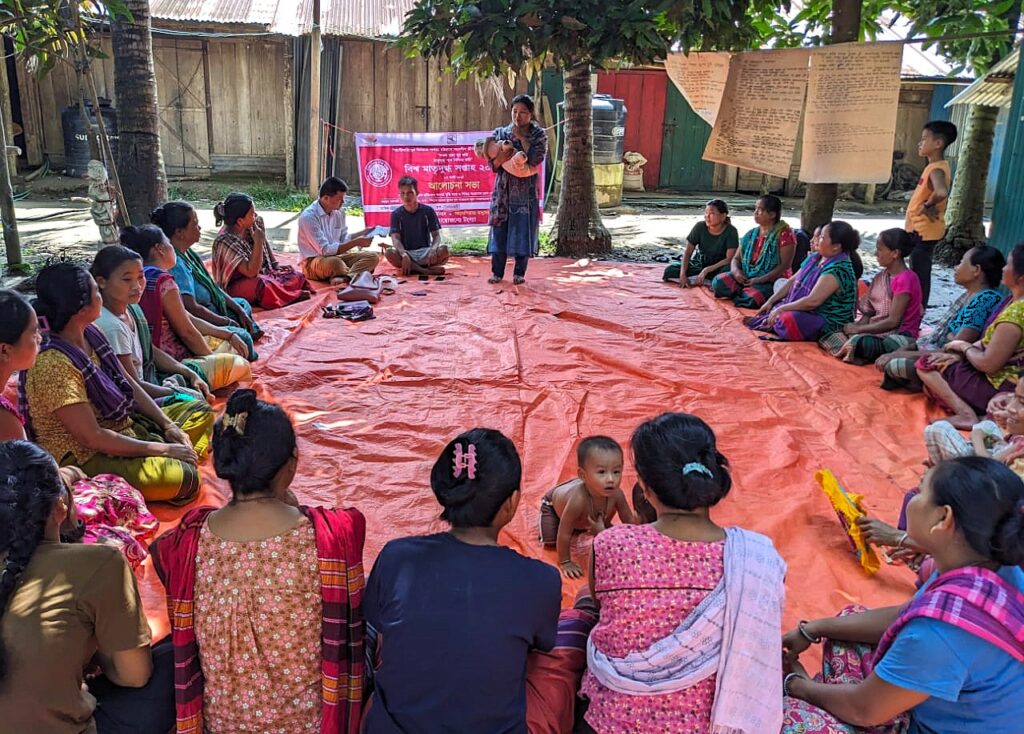
Special emphasis is placed on empowering women through leadership training, awareness campaigns, and advocacy against gender-based violence. At the same time, Taungya engages men and boys to challenge harmful norms and support inclusive practices, creating a balanced approach to social change. Gender equality is not treated as a separate issue but as an essential element of every intervention, ensuring that development outcomes are fair, sustainable, and transformative for all members of the community.
Flagship Projects & Gender Achievements
- CFLI Project (2023–2024) “Empowering Young Leaders for Sustainable Management of Traditional Village Common Forests and Ecology”
- Women and girls were actively engaged in updating bi-laws, conservation guidelines, and resource mapping.
- Gender equity was embedded in forest governance, with women’s participation in Executive Committees rising from 49 to 107 members.
- A dedicated gender budget supported leadership training, awareness sessions, and advocacy against gender-based discrimination.
- PRLC Project (2023–ongoing) “Partnership for Resilient Livelihoods in the CHT Region”
- Gender mainstreaming was a core component, ensuring women jum cultivators and farmers were included in livelihood training, nutrition awareness, and Farmer Field Schools.
- Women’s leadership in community decision-making was promoted, addressing gender-based vulnerabilities in food security and disaster resilience.
- More than 70% of direct beneficiaries were women, reflecting Taungya’s commitment to equitable socio-economic progress.
- Livelihood Security & Watershed Management Project (2016–2017)
- Women were prioritized in homestead gardening, livestock rearing, and mixed fruit orchard activities.
- Water technologies (deep tube wells, gravity flow systems, infiltration galleries) reduced the disproportionate burden on women of collecting water from distant sources.
- Social Protection Governance Initiative (SPGIEP, 2014–2017)
- Women were included in Social Protection Forums at Union, Upazila, and District levels.
- Female beneficiaries accessed stipends, allowances, and safety-net programmes, strengthening their social and economic security.
Resource Pool of Gender Experts
Taungya is enriched by a resource pool of nationally and internationally recognized gender experts. They contribute through:
- Consultancy services for government, NGOs, and international agencies.
- Publications and research on gender equity, women’s rights, and inclusive development.
- Training and advocacy to integrate gender sensitivity into project design and beneficiary selection.
- Supporting mothers’ groups and children’s groups with health and nutrition messages, linking gender with family well-being.
Impact
- Women’s participation in governance structures significantly increased across multiple projects.
- Gender equity embedded in forest conservation, livelihood development, and social protection systems.
- Hundreds of women trained in leadership, entrepreneurship, and climate-resilient farming.
- Gender-based vulnerabilities addressed through awareness, advocacy, and inclusive beneficiary selection.
- Men and boys engaged to support positive social change and challenge harmful norms.
Philosophy
Taungya’s gender mainstreaming reflects a holistic philosophy:
- Gender equity is inseparable from sustainable development.
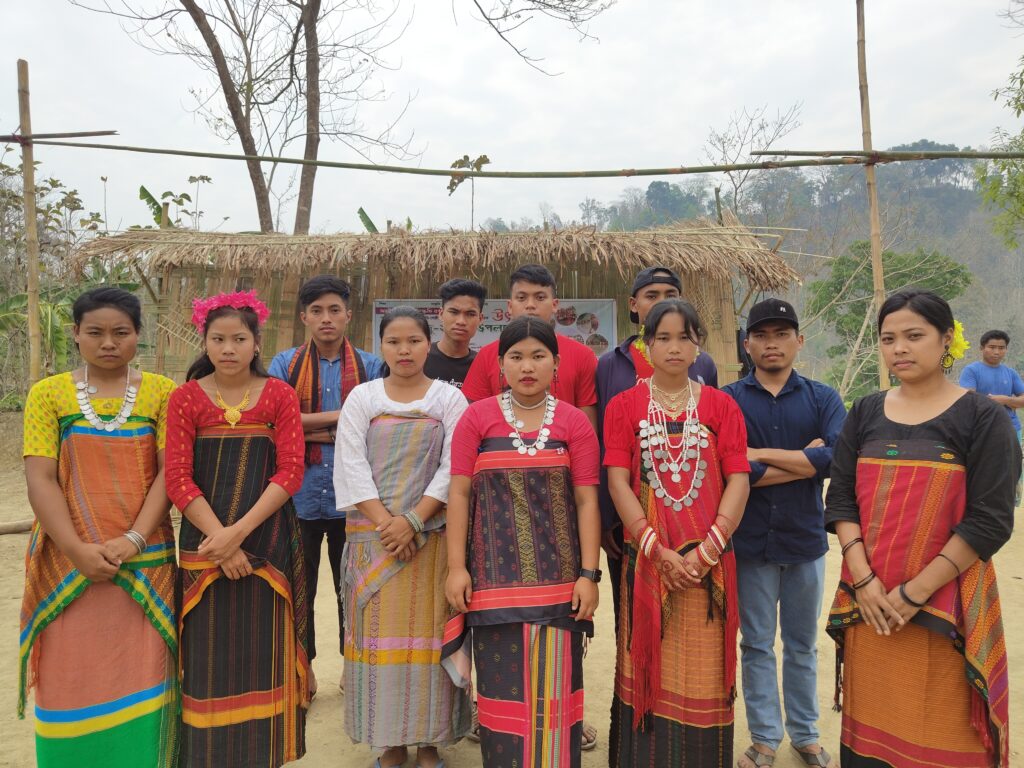
- Women and youth are empowered as drivers of transformation.
- Inclusive participation ensures that development outcomes are fair and resilient.
Gender sensitivity is embedded from beneficiary selection to project implementation, making every initiative equitable and impactful.